
NACE MR0175 is a material-selection requirement, not a label to add to a purchase order. An incomplete sour-service specification can leave buyers with traceable stainless fittings that still lack documented suitability. This guide connects the engineering requirements with the RFQ, manufacturing controls, and inspection records.
NACE MR0175 / ISO 15156 is used to evaluate metallic materials for qualifying H₂S-containing oil and gas production environments. For stainless fittings and flanges, check the specified grade, the manufacturing condition, the applicable environmental limits, and the supporting inspection records. A qualified materials engineer should confirm application-specific suitability before purchase.
Start with the service conditions, because a material certificate cannot establish suitability by itself. Then translate the engineer's selection into purchasing requirements that a manufacturer can quote, produce, inspect, and document, without relying on broad claims of "NACE compliance."
What "sour service" means in oil and gas piping
"Sour service" is often used as a complete purchasing description. That wording leaves important questions unanswered. Without a defined environment, there is no reliable way to compare a supplier's proposed material with the project's actual requirements.
Here, sour service means exposure to an H₂S-containing environment that can cause material degradation, particularly when an aqueous phase is present. Suitability cannot be classified from H₂S concentration alone. Engineering should define the applicable standard, the environmental conditions, and the material restrictions.
Establish the engineering basis first
Request the project's materials-selection basis before asking suppliers to confirm compliance. For stainless components, that basis should address the variables relevant to the selected material and the applicable provisions of the standard.
A typical review covers:
- Operating and design temperature ranges.
- H₂S partial pressure, or the data engineering needs to establish it.
- Whether water or another aqueous phase can be present.
- Chloride concentration and pH.
- Whether elemental sulfur or other significant factors need consideration.
- Whether shutdowns, start-up conditions, or credible upsets affect selection.
Do not calculate application limits from a generic online chart. A qualified materials or corrosion engineer should evaluate the actual conditions against the specified edition and the applicable material category.
Separate cracking resistance from corrosion performance
Resistance to H₂S-related cracking is not the same as resistance to general corrosion, pitting, and crevice corrosion. A material can satisfy a cracking-resistance provision without giving an acceptable corrosion rate or service life in every environment.
Scope also matters. NACE MR0175 / ISO 15156 covers defined oil and gas production and natural-gas treatment applications; it is not a universal specification for every H₂S-containing industrial system. For refinery applications, ask engineering whether NACE MR0103 / ISO 17945 or another project requirement applies instead.
NACE MR0175 vs ISO 15156: same rules, different names
Quotations sometimes list NACE MR0175 and ISO 15156 as separate product certifications. That presentation can obscure the real purchasing question: which edition, which material provisions, and which project supplements has the supplier actually evaluated?
NACE MR0175 / ISO 15156 is the commonly paired designation for one harmonized sour-service material standard, not two independent product approvals. The difference between NACE MR0175 and ISO 15156 is about publication history, edition control, and contractual references, not competing material-selection systems.
The three parts
| Standard part | How it is used in procurement |
|---|---|
| ISO 15156-1 | General principles for selecting cracking-resistant materials. |
| ISO 15156-2 | Carbon-steel and low-alloy-steel questions. |
| ISO 15156-3 | Provisions for corrosion-resistant alloys, including stainless steels. |
For stainless fittings and forged flanges, the focus is generally Part 3, within the general framework of Part 1. Ask the supplier to identify the applicable material category rather than simply writing "complies with NACE."
Control editions and exceptions
Specify the edition required by the contract and ask how amendments or technical circulars are handled. An older certificate statement does not automatically meet a newer project specification.
Keep the sour-service standard separate from the component's material and dimensional standards. For example, wrought stainless butt-weld fittings may be bought to ASTM A403 and forged stainless flanges to ASTM A182, with dimensions to ASME B16.9 and ASME B16.5. Those references do not replace sour-service qualification.
Finally, request a written exception list. If a supplier proposes a different grade, processing route, or qualification basis, that difference should be reviewed before the order is placed. A precise compliance statement is more useful than several unexplained certification logos.
Sulfide stress cracking and H₂S corrosion: why hardness matters
Hardness deserves close attention because manufacturing can change a material's condition. Cold work, welding, and inappropriate processing can create concerns that a grade designation alone does not reveal. Even so, one hardness reading is not proof of complete sour-service suitability.
Hardness is one indicator of material condition and, where specified, a formal acceptance criterion. Sulfide stress cracking (SSC) needs a susceptible material, tensile stress, and the relevant environment. Verify the applicable hardness requirement together with heat treatment, processing history, and environmental restrictions, not as a stand-alone approval.
No universal hardness shortcut
The familiar 22 HRC figure should not be applied indiscriminately to every stainless steel. NACE MR0175 hardness requirements for stainless steel depend on the material category and the applicable provisions. Austenitic and duplex materials need their own review.
Ask the supplier to state:
- The applicable material provision and acceptance limit.
- The hardness scale and test method.
- Sampling frequency and measurement locations.
- The final manufacturing condition that was tested.
- Reporting and traceability arrangements.
Also ask how hardness conversions will be handled. A converted value is not interchangeable with a direct measurement when the specification requires a particular method.
What hardness cannot prove
H₂S corrosion is a broader concern than hardness-controlled cracking. Hardness testing does not establish chloride resistance, confirm every aspect of microstructure, or show that the service environment falls within the material's permitted limits.
For formed fittings, review the final heat-treatment condition and any later processing. For welded products or assemblies, engineering should define the fabrication and weld-related requirements separately.
The inspection plan should capture the delivered condition, not an earlier stage of manufacture. A hardness result that cannot be linked to the production lot is incomplete evidence: acceptance depends on both the result and its documented relevance.
NACE MR0175 stainless steel grades commonly considered: 304L, 316L, 2205
Requests sometimes rank 304L, 316L, and 2205 as simple steps from basic to premium. That approach can mislead buyers. Higher alloy cost or greater strength does not automatically establish suitability for a specific sour-service environment.
Compare these grades by exact designation, product form, manufacturing condition, corrosion requirements, and applicable environmental limits. None of them is universally sour-service approved. A qualified engineer selects the material; the supplier then demonstrates conformity with that selection. For the general grade differences, see 304 vs 316L fittings: how to choose and 316L vs duplex 2205 fittings.
Purchasing implications by grade
| Common grade | What to consider | What to ask the supplier to confirm |
|---|---|---|
| 304L | The lower-alloy austenitic option, evaluated against the specified environment. | Exact grade, final condition, and applicable restrictions. |
| 316L | Its molybdenum addition, when engineering evaluates localized corrosion resistance. | That the proposed service stays within the approved selection basis. |
| 2205 | Duplex strength and corrosion characteristics, alongside processing sensitivity. | Exact UNS designation and the required heat-treatment and quality records. |
"2205" alone is not a complete material specification. Identify the required UNS designation, such as S31803 or S32205, and confirm that the material documents support the ordered designation.
Keep product form visible
Fitting grades and forging grades are different designations. An austenitic butt-weld fitting may carry an ASTM A403 WP designation, while a forged flange uses the corresponding ASTM A182 F designation. Avoid shorthand that makes the product specification ambiguous.
For duplex components, ask whether the project requires supplementary microstructural, corrosion, or other testing. Not every such test is automatically mandatory under the sour-service standard.
Review substitutions carefully. A proposed "upgrade" should not be approved just because it contains more alloying elements. Send any change in grade, product form, or processing condition back to the responsible engineer, because the approved selection depends on the complete material-and-environment combination.
What to write on a sour-service RFQ for fittings and flanges
Purchasing risk rises when an RFQ asks only for "316L, NACE compliant." Suppliers interpret that phrase differently, and the quotations become hard to compare. Reduce ambiguity by separating component specifications, engineering requirements, inspection obligations, and documentation deliverables.
A sour-service RFQ should identify the exact products, material grades, governing standards and editions, approved service basis, manufacturing condition, and inspection requirements. It should also ask for a compliance statement and a deviation list. Application-specific acceptance criteria stay under the control of the project's qualified engineering team. The general checklist is in our buying guide for butt-weld fittings and forged flanges.
A comparable quotation package
For oil and gas pipe fittings and forged flanges:
| RFQ item | What to include |
|---|---|
| Product description | Component type, quantity, size, wall thickness or schedule, flange class and facing. |
| Material | Product specification, grade, and UNS designation where applicable. |
| Dimensions | Governing dimensional standard and drawing requirements. |
| Sour-service basis | NACE MR0175 / ISO 15156, required edition, and the engineering-approved requirements. |
| Manufacturing condition | Required heat treatment and restrictions on later processing. |
| Inspection | Hardness, PMI, dimensional checks, and other project-required examinations. |
| Documentation | Certificate type, traceability, inspection reports, and dossier requirements. |
Make responsibilities explicit
Ask the supplier to separate standard manufacturing controls from optional or project-specific testing, so that extra inspection costs and lead-time effects are visible before commercial comparison.
Define whether the buyer must approve an inspection and test plan before production. When third-party involvement is required, specify the hold points and witnessing arrangements early.
When fittings and flanges come from one supplier and matching pipe or valves are added to the same package, require equivalent document review for every item and clear identification of each item's responsible manufacturer. A bundled package is not evidence that every component shares the same qualification basis; review each product family against its own specification and approved service requirements.
Inspection documents: hardness test, PMI, EN 10204 3.1 (3.2 on request)
Documentation is part of the product, not an administrative attachment. An inspection report loses value if it cannot be connected to the delivered component, so agree on certificate content, test coverage, and identification before manufacturing begins.
A typical request is an EN 10204 type 3.1 inspection certificate, applicable hardness reports, and project-specified PMI records with traceable identification. If type 3.2 is required, arrange the additional validation in advance. Neither certificate type is automatic proof of complete sour-service suitability. Our current certificates are listed on the certificates page.
What each record establishes
A type 3.1 certificate is the manufacturer's declaration of conformity with the required specific inspection results, validated by the manufacturer's authorized inspection representative, who is independent of the manufacturing department.
Type 3.2 additionally requires the purchaser's authorized representative or an inspector designated by official regulations. It should be planned before production; it cannot always be added afterwards.
PMI checks alloy identity within the capabilities of the method. It does not replace mechanical testing, heat-treatment records, or sour-service assessment. Mind the method limits: common handheld XRF instruments cannot establish the low-carbon distinction between 316 and 316L.
Close the traceability chain
A final document review should connect:
- The purchase-order item to the component marking.
- The marking to the heat and production-lot records.
- The certificates and test reports to those identifiers.
- The reported condition to the finished product.
- Any deviations, resolved before release.
Verify the scope, validity, and issuing body of any certification a supplier claims, rather than assuming it covers every supplied product.
FAQ
Does NACE MR0175 replace ASTM or ASME requirements?
No. They are complementary. ASTM material specifications and ASME dimensional standards cover different requirements from sour-service material selection. Specify the applicable references together and ask the supplier to identify any exceptions or conflicts before manufacturing begins.
Is 316L automatically suitable for sour service?
No. Check its exact product specification, manufacturing condition, and applicable environmental limits, and have engineering evaluate corrosion concerns beyond cracking resistance before approving 316L for the intended service.
Does a 3.1 certificate prove NACE compliance?
Not on its own. It is part of the evidence package. The applicable material requirements, test results, processing records, and traceability still need review, and engineering must have approved the material for the specified environment.
Should EN 10204 3.2 be requested for every order?
That depends on contract requirements, project risk, and the inspection strategy. When 3.2 is required, arrange it before production. Extra witnessing does not make up for an incomplete material specification or a missing engineering assessment.
Summary: sourcing stainless fittings and flanges for sour service
NACE MR0175 procurement is a chain of evidence: an approved service basis, a precisely specified material, controlled manufacturing, and traceable inspection records. A grade name, a hardness result, or a certificate logo cannot stand in for that chain.
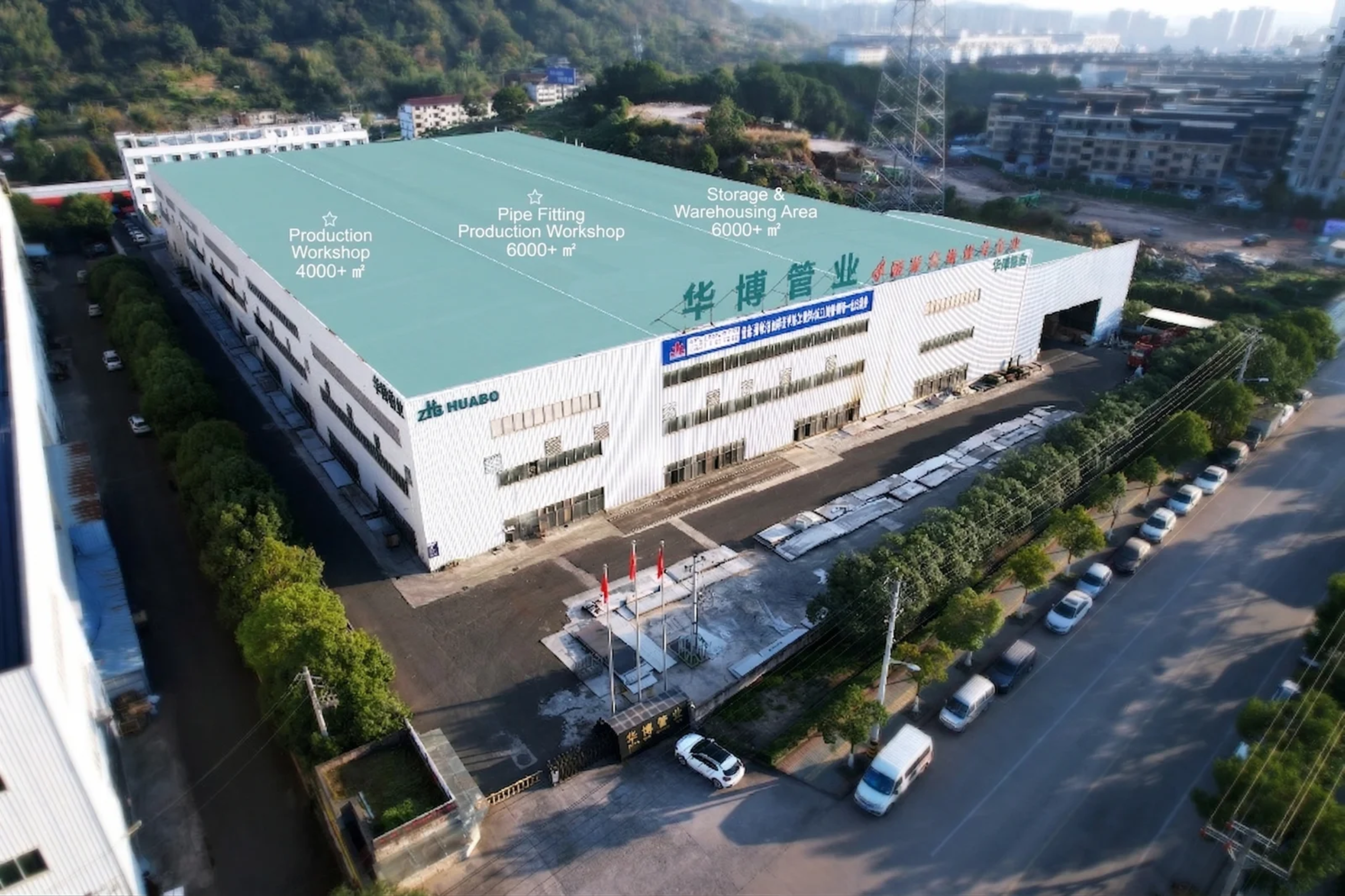
HuaboPipe manufactures stainless butt-weld fittings (cold formed) and forged flanges. Fittings are made to ASME B16.9 (DN15 to DN1200); flanges to ASME B16.5 up to NPS 24 (DN600) and to ASME B16.47 or drawing above that. Larger sizes are made to drawing, up to DN3000. Wall thickness follows the order. Stainless pipe and valves can be supplied to match the project. EN 10204 3.1 certificates are available, and 3.2 is available on request.
Send us your engineering-approved sour-service requirements and the RFQ details above. Our quotation will address them item by item, with any deviations and the inspection deliverables clearly listed. Browse our pipe fittings and flanges, or contact us at +86 15210578298 (Tel/WhatsApp) or lucas@hbpipe.com. We typically reply within one business day.

4 Comments